

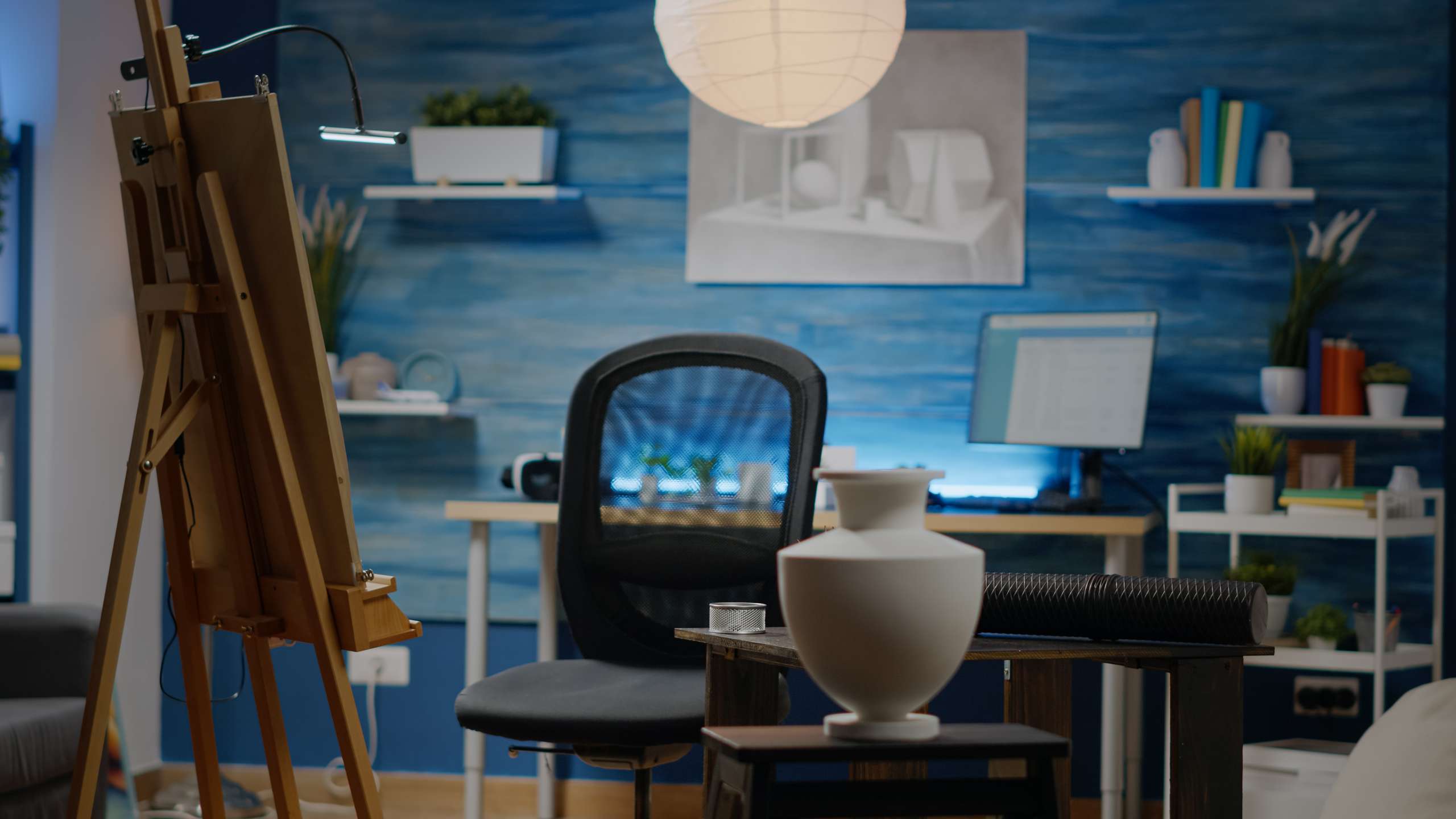
It’s easy to dismiss interior design as merely decorative, a matter of taste, perhaps, or a nice-to-have but hardly necessary. In fact, design is a form of storytelling, a subtle language that has the power to influence mood, behavior, and perception. Every interior space can benefit from the deliberate use of form, texture, color, and light, and every element of a design sends a message. When a space feels “right,” it’s likely because the objects, materials, and proportions within it all work in harmony. You might not even notice, at first, exactly why a room feels intuitive and comfortable. That’s the beauty of thoughtful design.
The first and most important thing to understand about design is the importance of space. A room is not just about what’s in it, the walls, the furniture, but also about how that space functions. Even the smallest rooms can feel open and balanced if the relationships between things are well considered. A designer studies the invisible lines that connect a room’s elements: the way you move through the entrance, where your eye naturally comes to rest, and how different areas are defined. These observations help turn your design decisions from arbitrary choices into intentional compositions.
Materials matter, too. The textures and surfaces you select influence the way a room looks and feels. Wood brings warmth and coziness, stone conveys permanence, glass and metal suggest clarity and precision. When they’re used thoughtfully together, they add layers of character to an interior. The goal isn’t to pack a room with as much variety as possible but to find material relationships that feel organic and balanced.
Light is a third fundamental element that can help define a space’s personality. Daylight shows off a material’s true color and texture, and artificial light can emphasize architectural details or create a cozy ambiance. The difference between a dull room and a dynamic one is often a matter of the way the light falls on surfaces at different times of day. A designer who appreciates the shifting nature of light can craft spaces that feel dynamic rather than static.
In the end, design is a process of interpretation. It requires time, observation, and a willingness to experiment with different compositions. The best interiors don’t rely solely on trends; they emerge from careful decisions that honor both a space’s utility and the feelings it evokes. When your design choices reflect those underlying values, a room becomes something greater than the sum of its parts: an environment that quietly supports creativity, comfort, and everyday living.